

What “As Is” Really Means in a California Home Sale. As is to most people means one thing, but in California home sales, it has a different meaning. This often confuses people. So let’s break it down.
If you’re buying a home in California, you will almost certainly hear the phrase “the property is sold as is.”
For many buyers, that phrase sounds intimidating. In most legal circles, “as is” is a clause that can be added to a sales contract to make it so that the item purchased is exactly as is, without any negotiation over the condition or items that might need repair. Yet, the term “as is” is actually built into every residential purchase contract in California. This often creates confusion.
Because the “as-is” term in the California residential purchase contract is different than the way lawyers usually use the term. For many buyers — especially first-time buyers — ‘as-is’ can sound like you’re being asked to sign away your protection
The confusion usually comes from mixing up three different things: the purchase contract, disclosure law, and the purpose of a home inspection. When you separate those, the meaning becomes much clearer.
Where “As-Is” Comes From in California
In California, the “as-is” language is not something that gets added later or slipped into the contract by an attorney. It is already built into the standard California Residential Purchase Agreement.
Specifically, Section 7(B) of the RPA states that, unless otherwise agreed, the property is delivered “as-is in its present physical condition as of the date of acceptance.”
In plain language, that sentence is doing one simple thing:
It defines what is being sold.
If you make an offer on a three-bedroom, two-bath house, you are buying that house, not a four-bedroom, 3 bath house. If you make an offer on a f you make an offer on a three-bedroom, two-bath house with kitchen that was last remodeled in the 80s, you can’t get mad that the seller doesn’t upgrade the kitchen.
“As-is” does not mean the inspection is pointless.
It does not mean defects don’t matter.
And it absolutely does not mean the seller can hide known problems.
Even in an as-is sale, sellers in California are still legally required to disclose known material facts and defects about the property. That obligation exists regardless of contract language and cannot be waived.
So if a seller knows about prior flooding, a recurring roof leak, foundation issues, or other significant problems, those must still be disclosed. “As-is” is not a shield against disclosure laws.
Why Inspections Matter Even More in an “As-Is” Sale
A home inspection exists for one primary reason: information.
Inspections help buyers understand the condition of the home beyond what’s obvious during a showing. While inspections are visual and non-invasive, they often reveal issues that aren’t apparent to an untrained eye — things related to safety, aging systems, deferred maintenance, or future repair costs.
The RPA itself explicitly advises buyers to conduct investigations of the property to determine its present condition, even while stating the property is delivered as-is.
That’s not a contradiction. It’s intentional.
“As-is” defines the starting condition of the property.
The inspection helps the buyer decide whether they are comfortable accepting that condition.
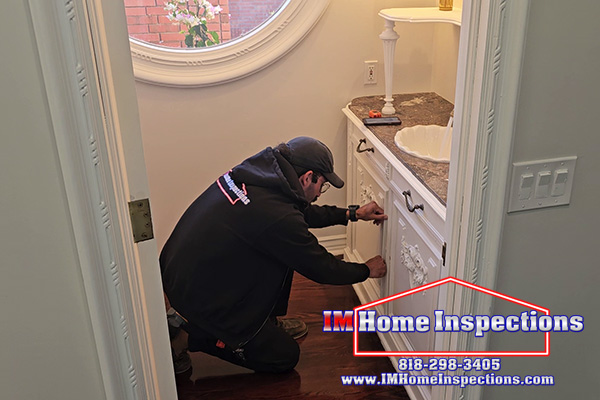
Repairs vs. Information — Two Different Conversations
Another major misunderstanding is the idea that inspections only matter if repairs are requested.
In reality, inspections serve multiple purposes:
-
Helping buyers understand what they are buying
-
Identifying safety concerns
-
Anticipating future costs
-
Making an informed financial decision
In an as-is sale, the seller is not automatically agreeing to fix anything. But buyers can still request repairs, ask for credits, renegotiate, or even walk away — as long as they are within their contractual contingency periods.
The key point is this:
“As-is” affects the seller’s obligation to repair — not the buyer’s right to investigate.
The Bottom Line
In California, nearly every home sale is technically “as-is,” including many well-maintained and high-end properties. That language does not diminish the value of a home inspection. If anything, it makes the inspection more important. The inspection isn’t about forcing the seller to fix things — it’s about giving the buyer the chance to decide whether the home still makes sense for them.
“As-is” does not mean “don’t look.”
It means “look carefully, understand what you’re buying, and decide from an informed position.”
That’s exactly what a professional home inspection is designed to do.
To book your home inspection, call 818-298-3405 or book online here.