

Why Timing Matters: Home Inspection Repairs Shouldn’t Wait. After a home inspection, it can feel overwhelming. The inspector(s) have compiled a long list of repairs and issues for you. And it can feel like, do we really need to address all of these things?
We know, in real life, most people do not address all the issues. Some people put off issues for years. However, the answer should be, “yes, and before closing.”
Noninvasive vs. Hidden Home Inspection Repairs
California Business and Professions Code §7195 states a home inspection is a “noninvasive, physical examination.” This means, unlike on TV, inspectors cannot open walls, can not take apart items in a home, and must go with what is visually accessible. However, what we can see is often a clue to what IS behind a wall. And from there, we can make a list of what needs to be repaired. But we don’t always know the scope of how much work is hiding behind the walls.
Generalist vs. Specialist
If you go to a general doctor and say you have a headache, you don’t expect your doctor is perform brain surgery on you; you expect your doctor to evaluate if you need a brain surgeon or not. You don’t go to your general doctor, say you have a pain in your chest, and expect that doctor to perform open heart surgery on you. You expect your doctor to determine if you should see a cardiologist or not.
A home inspector is a generalist. We have extensive training on a very wide variety of home issues. We understand plumbing, electrical, roofing, structure, and more. See the list of everything we inspect here. However, this also means, like how a general doctor is not going to be your heart surgeon, we are not going to be a specialist in any one trade.
Timing and the Shower Leak
A common issue we discover that a shower or bathtub on the 2nd floor has an issue with leaking. Or we see a small stain on the ceiling under the bathroom area. We report that shower needs repair, or the stain needs repair. Months go by, the home buyer moves in, uses the shower wonders why it is now raining water downstairs. A contractor comes and opens up the wall or ceiling and discovers extensive water damage. Because the repairs to the shower were not done promptly, the extent of the damage was not discovered and has become much worse over time. Had the issue been addressed promptly, the extent of the damage could have been discovered and repaired before the home buyer finished purchasing the house.
Timing and the Electrical Home Inspections Repairs
On a recent inspection, we identified multiple red flags within an older electrical system, including an obsolete Pushmatic electrical panel and visible signs of aging and compromised wiring inside the panel. These are not cosmetic concerns. They are indicators that an electrical system may no longer meet modern safety expectations and may contain additional deficiencies that are not fully visible without further evaluation.
Because a home inspection is a non-invasive, visual examination, our role is to identify these warning signs and clearly communicate when a system requires further evaluation by a licensed specialist. In this case, the report explicitly stated that the electrical system should be evaluated and repaired by a qualified, licensed electrician before closing, because opening the panel further, tracing wiring, and testing circuits falls outside the scope of a visual-only inspection.
After the buyers moved in, an electrician was hired and determined that the home required extensive rewiring. While the scope of work became clearer once the electrician performed invasive testing and opened additional areas, the underlying condition of the electrical system was consistent with what was observed and documented during the inspection. The difference was not the discovery of a new problem, but the timing of when the deeper investigation occurred.
Had the electrician’s evaluation taken place during the inspection contingency period, the buyers would have had clarity on the full scope of work and the ability to address it through repairs, credits, or renegotiation. Once escrow closed, that opportunity no longer existed.
This is exactly why inspection reports emphasize timely follow-up. When visible conditions suggest a system-wide concern, the purpose of the inspection is to alert the buyer early—so specialists can determine the true extent of the issue while options still remain.
Timing and the HVAC System
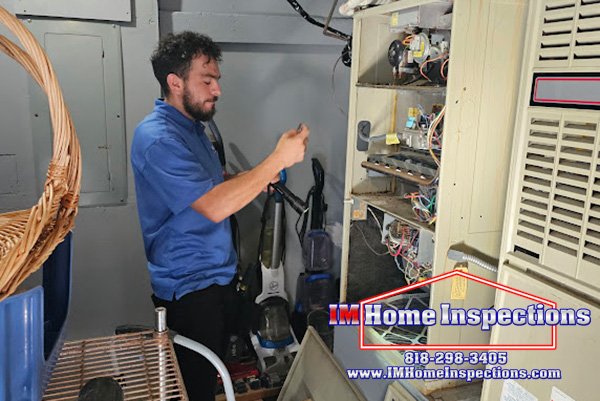
Heating and air conditioning systems are often the most complex systems in a home, yet they offer the least amount of direct visual access. Critical components simply are not visible during a standard home inspection. The heat exchanger inside a furnace, for example, cannot be seen without dismantling or destroying the unit. Air-conditioning coils are enclosed behind panels, screws, and sealed foil tape and are designed to remain closed unless serviced and properly resealed by a licensed HVAC professional. Many heat pump systems similarly have no internal components that can be safely accessed during a visual inspection.
Because of these limitations, inspectors focus carefully on the indirect evidence a system provides. Rust, staining, corrosion, excessive aging, altered components, or performance irregularities can all signal deeper problems within the system—problems that may not be visible, but are strongly suggested by what is visible. Interpreting these clues is a core part of the inspector’s job.
This is where the medical analogy fits best. Just as a primary care doctor would never perform open-heart surgery during a routine exam, a home inspector cannot open sealed HVAC components simply because warning signs are present. Instead, the role of the inspector is to recognize when those warning signs indicate that a specialist should be brought in.
When an inspection report recommends further evaluation of an HVAC system, it is not because the inspector is unsure—it is because the visible evidence suggests that only a licensed HVAC technician can determine the true condition and remaining service life of the system. Acting on that recommendation during the inspection contingency period allows buyers to understand the full scope of any issues before closing, rather than discovering them after ownership has transferred.
Why the Home Inspection Comes First
A home inspection exists for the same reason you start with a primary care doctor instead of calling a surgeon on day one. A specialist is invaluable—but only after someone has stepped back, evaluated the whole picture, and determined where deeper investigation is actually needed. Calling an electrician, HVAC technician, roofer, or plumber without that broader assessment often leads to fragmented information, duplicated effort, missed context, and higher costs.
A home inspector serves that role for the house. We evaluate the entire property as a connected system, identify where symptoms suggest deeper conditions, and direct buyers to the appropriate specialists at the right time. We don’t replace those specialists—we guide you to them with purpose, clarity, and prioritization. Most importantly, we do it during the brief window when buyers still have options, leverage, and protection.
When inspection recommendations are acted on promptly, the process works exactly as intended. Specialists confirm the true scope of issues, buyers gain certainty instead of surprises, and informed decisions are made before ownership transfers. When those same recommendations are delayed, the outcome doesn’t change—only who pays for it does.
A home inspection isn’t about finding everything that might be wrong. It’s about identifying what matters, recognizing when visible evidence points to something more, and helping buyers make smart, well-timed decisions before small clues turn into big problems. A good home inspection isn’t just helpful—it’s essential to understanding which home inspection repairs matter, and when they need to happen.
Book your home inspection by calling 818-298-3405 or book online here.